
WATER DAMAGE RESTORATION
SALT LAKE CITY
Proudly Serving Salt Lake City Families Since 1987
Emergency Water Damage? Call Now!
Have an Emergency?
Local team • 24/7 response • IICRC-certified • We Work With Your Insurance
From burst pipes to planned repairs, we’ve got Salt Lake City covered. Call in the Pros at 801-505-9800, or fill out the form below and a member of our team will contact you shortly.
Contact Us

The Real Cost of Ignoring Water Damage in Your Salt Lake City Home
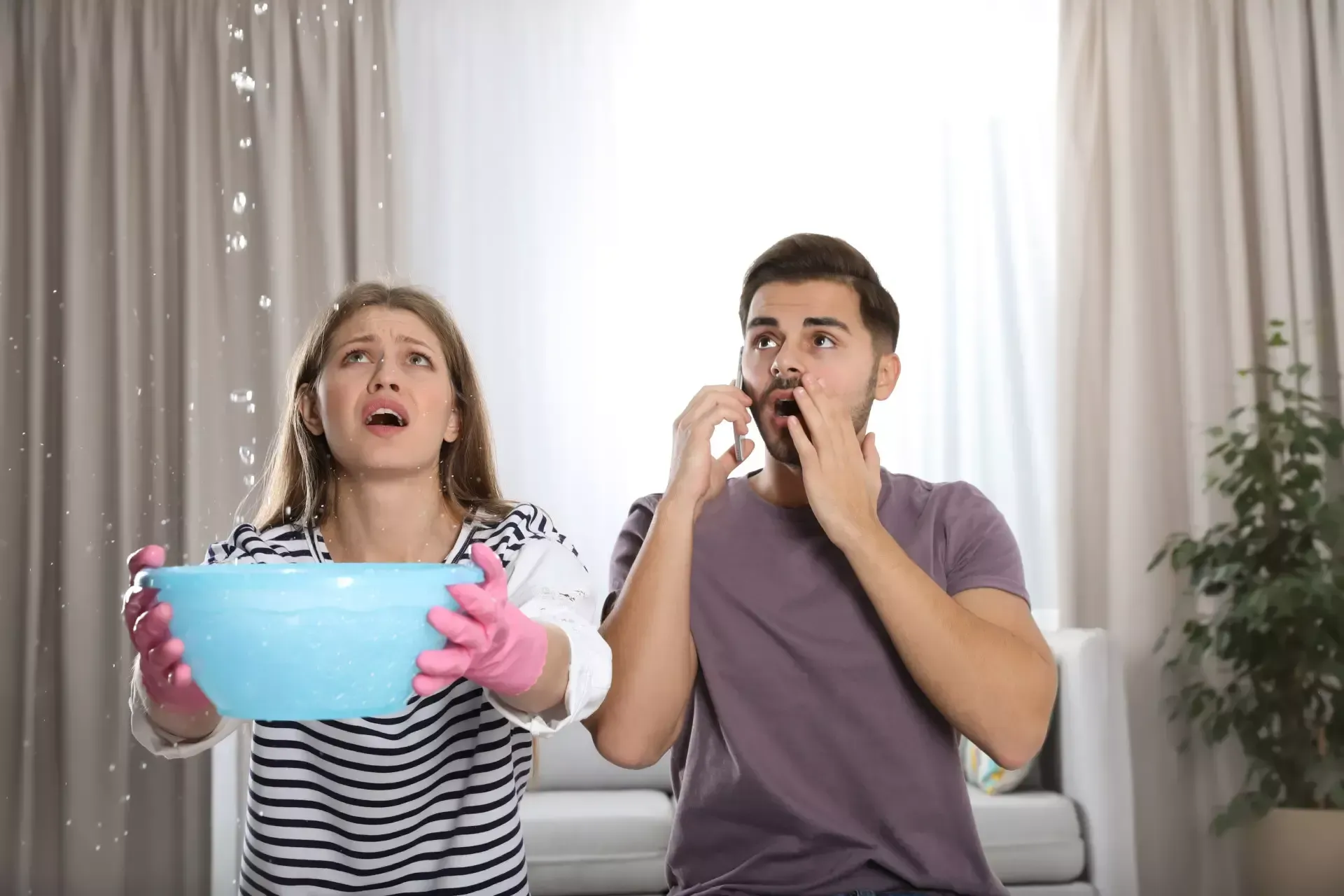
Water damage isn't just about what you can see on the surface, it's about the hidden destruction that water damage causes behind walls and under floors. Sure, the visible flooding and soaked carpets are obvious signs of water damage, but water damage is sneaky. It seeps into places you'd never think to look: behind walls, under flooring, into insulation, and deep into the structural elements that keep your home strong and safe from future water damage.
Left untreated, even minor water damage becomes a major catastrophe. Water damage creates the perfect environment for mold growth within 24-48 hours in our Utah climate. Wood begins to warp and rot from water damage. Metal fixtures start corroding due to water damage exposure. Your home's foundation can weaken from prolonged water damage, and before you know it, you're looking at tens of thousands of dollars in repairs instead of addressing the initial water damage properly.
The health implications of untreated water damage extend far beyond structural concerns. Water damage leads to poor indoor air quality, respiratory issues, and ongoing health problems for your family. Children and elderly family members are especially vulnerable to the effects of water damage when mold and mildew take hold.
➡️ Read More
That's exactly why our water damage restoration Salt Lake City service focuses on complete restoration, not just surface cleanup. We don't just dry what's visible from water damage, we find every trace of moisture using advanced detection equipment. We don't just remove standing water from water damage, we address the source of the problem. And we don't just clean up the water damage mess, we restore your home to a condition that's often better than before the water damage occurred.
Salt Lake City Water Damage Restoration Services
Emergency Water Removal
Quick response water extraction to stop flooding fast and protect your property from further damage.
Water Damage Repair
Professional repairs to restore walls, floors, and structures damaged by water to their original condition.
Flooded Basement Cleanup
Complete pumping, drying, and sanitizing services to restore basements after heavy flooding.
WHY CHOOSE ALL PRO SERVICES?
Trusted by homeowners and businesses across Utah.
- Locally owned and family operated since 1987
- 24/7/365 Emergency Response Services
- Licensed & Insured for Residential & Commercial Property Restoration
- IICRC Certified Technicians
- Insurance Claims assistance
- 5 Star Rated
What Sets Our Salt Lake City Water Damage Team Apart From the Competition
When water damage strikes your Salt Lake City home, you need more than just any restoration company handling your water damage crisis. You need a water restoration Salt Lake City team that understands our unique climate challenges, knows the local building codes, and can navigate Utah's insurance requirements for water damage claims. You need technicians who can respond to water damage emergencies fast because they're based right here in the valley.
Lightning-Fast Response to Water Damage Emergencies: Our Midvale based team knows Salt Lake City's neighborhoods like the back of their hand. When you call our 24/7 emergency line about water damage, we're not coming from three states away to handle your water damage situation. We're already in your area, which means we can often arrive within an hour of your water damage call. Time saves money when it comes to water damage restoration, and rapid response saves your home from extensive water damage.
Advanced Technology for Complete Water Damage Detection: We invest in the latest water damage restoration technology because your home deserves the best water damage solution available. Our thermal imaging cameras can detect water damage behind walls that looks perfectly dry. Our industrial-grade dehumidifiers and air movers work faster than standard equipment to eliminate water damage. Our moisture meters ensure we've captured every drop of water damage before we call the job complete.
Comprehensive Water Restoration Salt Lake City Services: Here's what makes our approach to water damage different: we handle every aspect of water damage restoration under one roof. Water damage extraction, structural drying, mold prevention, content cleaning, reconstruction, even working directly with your insurance company on water damage claims. You make one call about water damage, work with one team, and get one comprehensive water damage solution. No juggling multiple contractors or wondering if everyone understands your water damage situation.
Five-Star Reviews from Salt Lake City Water Damage Restoration Projects
"I woke up at 2 AM to the sound of water rushing through our kitchen ceiling. A pipe had burst in the wall above, and water damage was everywhere. The water damage looked catastrophic. I called All Pro Services in a panic about the water damage, and they were at our house within 45 minutes. Not only did they stop the water damage from spreading, but they worked with our insurance company to handle the entire water damage claim process. Three days later, you'd never know we'd had any water damage at all. These guys saved us from what could have been devastating water damage." - Sarah M., Salt Lake City, UT
"Our finished basement suffered major water damage during spring runoff season. The water damage seemed overwhelming at first. All Pro Services handled our water damage restoration with incredible professionalism. They explained every step of the water damage restoration process and kept us informed throughout. The final result exceeded our expectations, and they even helped prevent future water damage with some smart recommendations." - Mike R., Murray, UT
Salt Lake City's Most Trusted Name in Water Damage Solutions Since 1987
As a family-owned business specializing in water damage restoration, we understand that your home isn't just a building, it's where your life happens. Where your kids take their first steps, where you host holiday dinners, where you feel safe and comfortable. When water damage threatens that sanctuary, you need people who care as much about resolving your water damage crisis as you do.
For over 38 years, families throughout Salt Lake City, Murray, West Jordan, Provo and surrounding areas have trusted us with their water damage emergencies and water restoration Salt Lake City needs. Every one of our technicians is IICRC-certified in the latest water damage restoration techniques, meaning they've received the highest level of training available for water damage recovery. We're fully licensed and insured for all water damage restoration work, and we stand behind every water damage project with a complete satisfaction guarantee. Plus, we provide free water damage assessments so you know exactly what you're dealing with before any water damage restoration work begins.
Questions Salt Lake City Homeowners Ask About Water Restoration
How long will my family be dealing with this water mess?
Here's the reality: emergency response and water extraction happen fast - we're talking 2-8 hours once our crews arrive at your Salt Lake City home. The drying process typically takes 3-5 days for most materials, though Utah's dry climate actually works in our favor compared to more humid areas. Light repairs usually wrap up within a week, but if you're looking at cabinet replacement or custom flooring, expect 2-3 weeks total. The biggest factor? How much water we're dealing with and whether it's clean water from a pipe burst versus something more serious.
Do we need to pack up and move out during restoration?
Most Salt Lake City families can stay home during the drying process, especially if the flooding is contained to a basement or a few rooms. We set up containment barriers and our equipment runs 24/7, so yes, it's noisy and warmer than usual. However, if your kitchen or only bathroom is affected, or if we're dealing with sewage backup (unfortunately common in older Salt Lake City neighborhoods), temporary relocation makes sense. We always prioritize your family's safety and comfort, especially with kids or elderly family members in the home.
Act Now: Every Minute Counts When Dealing with Water Damage
Water damage is one of those problems that gets exponentially worse with every hour you wait to address the water damage properly. Right now, while you're reading this, water damage could be spreading deeper into your home's structure. Mold spores might be starting to multiply from the water damage. What could be a manageable water damage restoration today could become a major reconstruction project tomorrow if the water damage isn't addressed immediately.
That's why All Pro Services offers 24/7 emergency response throughout Salt Lake City and the surrounding areas for all water damage situations. Day or night, weekend or holiday, our trained technicians are standing by to take your water damage call and get to your home fast. We know that water damage doesn't happen on a schedule, and neither do we. Contact us now for immediate help with your water damage emergency, or request a free assessment if you're dealing with ongoing moisture issues that need professional water damage attention.
Don't let water damage take over your life and don't let water damage destroy your most important investment. Let us restore your peace of mind with professional water damage restoration that gets results. Your home deserves the best water damage restoration Salt Lake City has to offer.
We Help Make Insurance Claims Easier


Flexible Payment Options
We work with all insurance companies and offer payment plan options. Monthly payments are also available through our partner, Hearth.
Discover your rate with our 60-second Hearth pre-qualification process.
