Frozen Pipes in Utah: How to Prevent, Thaw and Handle a Burst
How to prevent, thaw and handle frozen pipes before a burst floods your Utah home.
To prevent frozen pipes in Utah, keep your thermostat at the same setting day and night and never below 55°F, insulate pipes in garages, crawl spaces and outside walls, disconnect garden hoses, and let a faucet drip on nights below 20°F. If a pipe freezes, thaw it with gentle heat. If it bursts, shut off the main valve first.
Utah winters are hard on plumbing. Normal January lows sit around 24°F in Salt Lake City and Provo, 20°F in Ogden and 16°F in Park City, and cold snaps go well below that. Most homes here also have basements, so a burst pipe often soaks a finished basement before anyone notices.
This guide covers where pipes freeze in Utah homes, 10 ways to prevent it, how to thaw a frozen pipe safely, and what to do in the first hour if one bursts. It is written by the team at All Pro Services, a family-owned Utah restoration company serving the Wasatch Front since 1987.
What temperature do pipes freeze at?
Water freezes at 32°F, but pipes in unheated parts of a house usually start to freeze when the outdoor temperature drops to about 20°F or lower. Pipes hit by drafts, wind or gaps in insulation can freeze at warmer temperatures.
The 20°F figure comes from field tests by the Building Research Council at the University of Illinois. Uninsulated pipes in an unheated attic began to freeze once it fell to 20°F outside. It is known as the "temperature alert threshold."
Across much of Utah, January nights at or below that threshold are routine, not rare. Treat any forecast low near 20°F as a night to protect your pipes.
Why frozen pipes burst
The ice itself rarely splits the pipe. Once ice blocks a pipe, water gets trapped between the blockage and a closed faucet. As more ice forms, pressure in that trapped section climbs until the pipe gives way, often at a spot with little or no ice in it.
This is why an open faucet helps. A slow drip gives the trapped water somewhere to go, so pressure cannot build up.
The American Red Cross notes that this pressure can break metal and plastic pipes alike, so newer plumbing is not immune.
Where do pipes freeze in Utah homes?
Pipes freeze first where cold air reaches them: outdoor hose bibs, sprinkler lines, garages, crawl spaces, attics, sink cabinets on outside walls, and the spot where the water line enters through the foundation. In Utah homes, basement bathrooms and laundry rooms on outside walls are common trouble spots too.
Outdoor hose bibs (spigots). The water line runs through the wall to the outside, and a hose left attached traps water that can freeze back into the pipe inside the wall. Disconnect the hose, close the indoor valve that feeds the bib, then open the outdoor tap to drain it.
Sprinkler lines. Shallow sprinkler lines stay full of water after the season ends. Drain or blow them out in the fall, following your installer's directions.
Garages. Garages are unheated, and the door is often left open. Keep the garage door shut and insulate any water lines that run through the garage.
Crawl spaces and attics. These spaces let in cold air through vents and often have thin insulation. Insulate both the space and the pipes, and add pipe sleeves or heat cable to any exposed runs.
Basement bathrooms and laundry rooms. Pipes here often run in outside walls, hidden behind finished drywall. Keep the basement heated, and don't close off vents to save on heating.
Kitchen and bathroom sinks on outside walls. Closed cabinet doors keep warm room air away from the pipes underneath. Open the cabinet doors on cold nights.
Where the water line enters the house. The main line comes through the foundation, which makes it one of the most likely places to freeze. Insulate the exposed section, and if a pipe freezes, check here first.
If one pipe freezes, check the others. The Red Cross points out that when one line freezes, others in the house may be frozen too.
How to prevent frozen pipes: 10 steps
The steps that matter most are keeping the heat on and steady, draining outdoor lines in the fall, insulating exposed pipes and letting a faucet drip during hard freezes. Most take a few minutes and cost little.
Before winter
1. Disconnect and drain garden hoses. Salt Lake City Public Utilities warns that water in an attached hose can freeze and spread into the pipe inside the wall.
2. Shut off and drain hose bibs. Close the indoor valve that feeds each outdoor tap, then open the outdoor tap and leave it open. Any water left in the line then has room to expand.
3. Drain or blow out sprinkler lines. Follow your installer's directions. The Red Cross advises against adding antifreeze unless the installer says to.
4. Insulate exposed pipes. Foam pipe sleeves, or UL-listed heat tape or heat cable, protect pipes in garages, crawl spaces, attics and unfinished basements. Insulate both hot and cold lines.
5. Seal drafts near pipes. Gaps around pipes, vents and cables in outside walls let cold air reach the plumbing, and pipes in moving cold air can freeze even above 20°F.
During a cold snap
1. Keep the thermostat steady. Set it to the same temperature day and night. A higher heating bill for a few nights costs far less than a burst pipe.
2. Let a faucet drip. Choose the faucet farthest from where water enters the house, as Salt Lake City Public Utilities suggests, and let cold water run in a thin, steady trickle. Put a bucket under it to save the water for other uses.
3. Open cabinet doors. Warm room air can then reach pipes under kitchen and bathroom sinks. Move cleaners out of reach of children while the doors are open.
4. Keep the garage closed. Shut the main garage door if water lines run through the garage, and keep the door between the garage and the house closed.
When you are away
1. Leave the heat on, or shut off and drain the water. The Red Cross says to keep the heat no lower than 55°F, and Salt Lake City Public Utilities suggests above 65°F for trips of several days. For longer trips, shut off the main valve and drain the lines, and ask someone to check the house. A Wi-Fi leak sensor or an automatic shut-off valve adds a backup.
Pipe already burst? Shut off the water and call All Pro Services at 801-505-9800. Our IICRC-certified crews answer 24/7.
How to thaw a frozen pipe safely
Open the faucet the pipe feeds, then warm the frozen section slowly with a hair dryer, an electric heating pad, a space heater or towels soaked in hot water. Keep going until full water pressure returns. Never use an open flame.
Signs a pipe is frozen
• You turn on a faucet and only a trickle comes out, or nothing at all, even though the main valve is on.
• One faucet or fixture works and another does not.
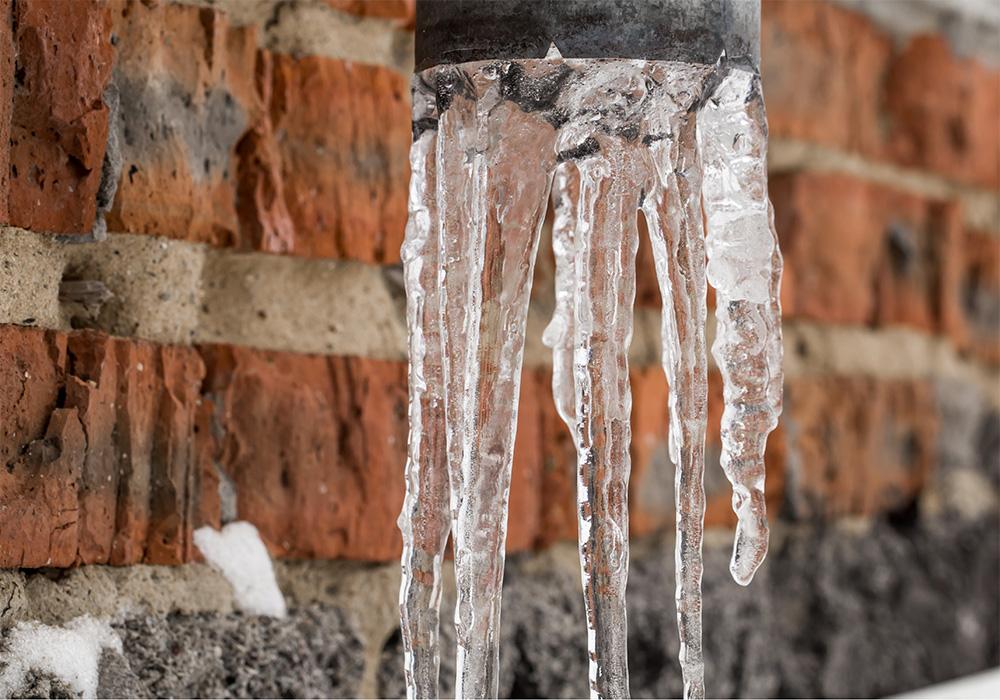
• You can see frost on an exposed pipe.
If only part of the house has no water, the freeze is in your own plumbing, not the city's line. Salt Lake City Public Utilities treats that as a premises plumbing issue, which is the owner's to fix.
Step by step
1. Open the faucet. As the ice melts, running water helps thaw the rest of the blockage and relieves pressure.
2. Find the frozen section. Check pipes on outside walls, in cabinets and where the water line comes through the foundation.
3. Apply gentle heat. Use a hair dryer, an electric heating pad wrapped around the pipe, a space heater or hot, wet towels. Work from the faucet end back toward the frozen spot so melted water can drain out.
4. Keep the heat moving. Do not leave a hair dryer pointed at one spot or running unattended.
5. Keep heating until full pressure returns. Then check every other faucet in the house.
6. Leave a trickle running. Once water flows, Salt Lake City Public Utilities suggests a stream about the width of a strand of spaghetti to stop the pipe refreezing.
7. Watch for leaks as it thaws. A split pipe can stay sealed by ice and only start leaking once the ice melts. If you see water, close the main valve straight away.
Call a licensed plumber if you cannot find the frozen section, cannot reach it or cannot thaw it. In Salt Lake City, if your water is still not restored, Public Utilities dispatch is (801) 483-6700.
What never to use
• Open flames. No blowtorch, propane or kerosene heater, charcoal stove or other open-flame device. These start house fires.
• A space heater close to anything that burns. The National Fire Protection Association (NFPA) advises keeping heaters at least 3 feet from anything that can catch fire.
• Electrical appliances near standing water. If water is on the floor, do not plug in a heater or dryer there.
Where is your main water shut-off valve?
In most Utah homes, the main shut-off valve is inside, where the water line comes through the foundation. Look on the basement wall that faces the street, near the water heater, in a utility room or closet, or in the crawl space. Find it now, before you need it.
How to find it
• Start at the meter. Find the water meter box in your front yard or park strip. The line usually runs straight from there into the house, so check the inside of that same wall.
• Look for a nearby pressure regulator. Many homes have a bell-shaped pressure regulating valve on the main line, and the shut-off usually sits close to it.
• Check behind access panels. In a finished basement, the valve may be behind a small panel in the wall or ceiling.
How to close it
• Lever handle (ball valve): turn it a quarter turn, so the handle sits across the pipe instead of along it.
• Round wheel (gate valve): turn it clockwise until it stops. Do not force it.
• Then drain the lines: open a faucet on the lowest floor so the water left in the pipes runs out instead of through the break.
What about the valve at the street?
The valve in the meter box belongs to your city or water district, and most prefer you use it only as a last resort. In Salt Lake City, for example, the city is responsible for the line from the main to the meter, and the property owner is responsible for everything from the meter into the building. If your inside valve will not close, call your water provider's emergency line. In Salt Lake City, that is (801) 483-6700.
Test it once a year
Old valves can seize after years without use. Turn yours once each fall. If it sticks or drips, have a plumber replace it before winter. Then label it and show everyone in the house where it is.
A pipe has burst: what to do in the first hour
Shut off the main water valve, make the area safe, take photos, then call a water damage restoration company and your insurer. Speed matters: the EPA says water-damaged areas and items should be dried within 24 to 48 hours to prevent mold.
1. Shut off the water at the main valve. Every minute it runs adds gallons to the floor, walls and ceiling below.
2. Make the area safe. If water has reached outlets, cords or appliances, turn off power to that area at the breaker, but only if you can reach the panel without standing in water. Stay out from under a ceiling that is sagging or bulging with water.
3. Open faucets to drain the lines. This empties the water left in the pipes and stops it feeding the break.
4. Photograph everything before you clean up. The Utah Insurance Department advises taking photos or video of all damage and keeping every receipt, including for temporary repairs.
5. Call a restoration company. Standing water, wet drywall and soaked carpet pad need extraction and commercial drying equipment. Our water damage restoration crews answer 24/7, and if the water has run into a finished basement, our flooded basement cleanup team pumps it out and dries the space.
6. Call your insurer or agent. Report the claim as soon as you can and ask what documents they need.
7. Move what you can. Lift rugs, electronics, papers and photos off wet floors. Put foil or wood blocks under furniture legs.
8. Book a licensed plumber. The pipe itself still needs repair before the water goes back on.
For the first steps after any kind of water damage, see our water damage emergency checklist.
Why the first 48 hours matter
Water from a burst supply line starts out as Category 1, or clean water, under the IICRC S500 standard for water damage restoration. The standard notes it can deteriorate to Category 2 or 3 as microorganisms grow, depending on time and temperature. Dirtier water means more materials have to be removed rather than dried.
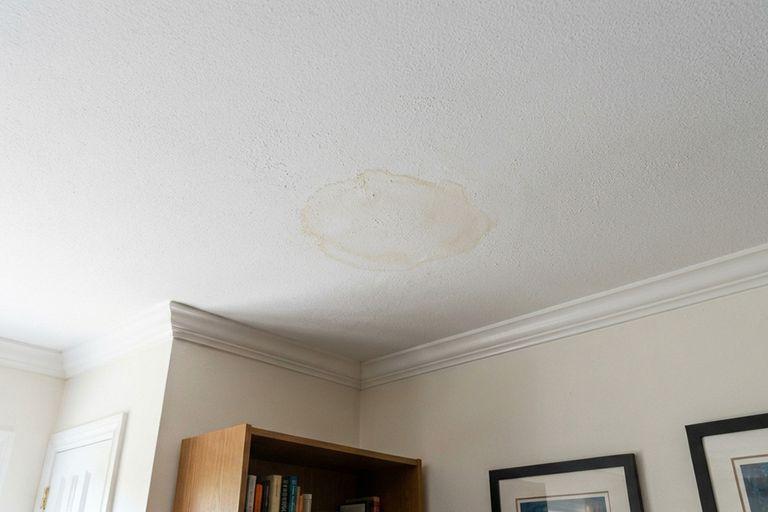
The damage you see is also rarely all of it. Water runs down inside walls, wicks up drywall and soaks into subflooring and insulation. Moisture readings, not touch, tell you when the structure is truly dry.
What our crew does after a frozen pipe burst
• Arrives fast. In most of Salt Lake County, a technician is on site within the hour.
• Assesses the water category and starts extraction with truck-mounted equipment.
• Dries the structure with industrial air movers and dehumidifiers, checking moisture every day.
• Confirms it is dry with moisture readings before any rebuilding starts.
• Restores the home, replacing drywall, flooring and finishes as a licensed general contractor.
We cover the whole Wasatch Front and up into the mountains, including water damage restoration in Park City, where January lows average 16°F.
Does homeowners insurance cover frozen pipes?
Usually, yes. Standard homeowners policies typically cover sudden water damage from a pipe that freezes and bursts, as long as you took reasonable care to keep the home heated or shut off and drained the water. The cost of fixing the pipe itself, slow leaks and damage in a vacant, unheated home are often not covered.
The reasonable care rule
Many policies exclude freezing damage unless you used reasonable care to either maintain heat in the building or shut off the water supply and drain the system. Policies rarely name a temperature, but 55°F is the figure commonly used as a benchmark. Insurers can also check records such as utility data, so a thermostat set too low or turned off can sink a claim.
What's often covered. Most homeowner policies cover water damage to floors, walls, ceilings and belongings caused by a sudden pipe burst. That usually includes water removal, drying and cleanup, as well as repairs to the damaged structure. If you can't stay in your home while it's being repaired, your policy may also cover additional living expenses, so ask your insurer.
What's often not covered. The cost of repairing or replacing the burst pipe itself is usually not covered. Slow, long-term leaks and the mold they cause are often excluded too. Many policies also won't pay for damage from a pipe that froze in a vacant home with the heat off and the water left on. Flooding from outside water isn't covered by a standard policy and needs separate flood insurance.
How to protect your claim
• Report the damage to your insurer or agent as soon as possible.
• Photograph or film all damage, and keep every receipt.
• Make temporary repairs to stop further damage, but hold off on permanent repairs until the insurer has inspected and you have agreed on costs, as the Utah Insurance Department advises.
• If you have a dispute over the settlement, the Utah Insurance Department can help at 801-957-9305 or 800-439-3805.
All Pro Services works directly with your insurance company and writes estimates in Xactimate, the same software adjusters use. Our guide to filing water damage insurance claims walks through the process step by step.
This section is general information, not insurance advice. Your policy wording decides what is covered, so check yours with your agent.
Burst pipe in Utah? Call All Pro Services 24/7
If a frozen pipe has burst, shut off the main water valve and call us at 801-505-9800. Our IICRC-certified crews answer 24 hours a day, 365 days a year, across Salt Lake, Utah, Davis, Weber, Summit, Wasatch and Tooele counties.
We remove the water, dry the structure, work directly with your insurance company and rebuild what was damaged. All Pro Services is a licensed general contractor and has been family-owned since 1987.
Call 801-505-9800 or request a free quote online at allproutah.com.