Christmas Trees, Candles and Space Heaters: Preventing Winter House Fires
How to keep Christmas trees, candles and space heaters from starting a house fire this winter.
Most winter house fires start when heat gets too close to something that can burn: a dry Christmas tree, a candle near curtains or a space heater beside a bed. Keep trees and heaters at least 3 feet from heat and fabric, keep candles 12 inches from anything that burns, and test your smoke alarms every month.
This checklist covers each of those risks room by room, plus what to do in the first 24 hours if a small fire does happen. Smoke and soot travel far beyond the burned area, so even a fire that is out in seconds can leave work behind.
Why do house fires peak in winter?
Cooking, candles, decorations and heating all pile into the same few months. The National Fire Protection Association (NFPA) calls December a leading month for U.S. home fires, and its 2020 to 2024 figures show where the risk comes from.
National Fire Protection Association (NFPA) data, based on annual averages from 2020 to 2024, shows how each winter risk adds up.
Heating. About 46% of home heating fires happen from December through February. Space heaters and heating stoves cause 47% of heating fires and 73% of heating fire deaths.
Cooking. After Thanksgiving, Christmas Day and Christmas Eve are the second and third leading days for home cooking fires.
Decorations. About 835 home fires a year start with decorations other than trees. Nearly half of them (47%) happen because a decoration was too close to a heat source.
Candles. Candle fires peak in December and January.
Christmas trees. About 143 home fires a year start with a Christmas tree, causing about 7 deaths and $15 million in damage.
Utah adds its own twist. Long cold spells mean furnaces, fireplaces and space heaters run for weeks at a time, so the heating risks above build up all season.
How do you keep a Christmas tree from catching fire?
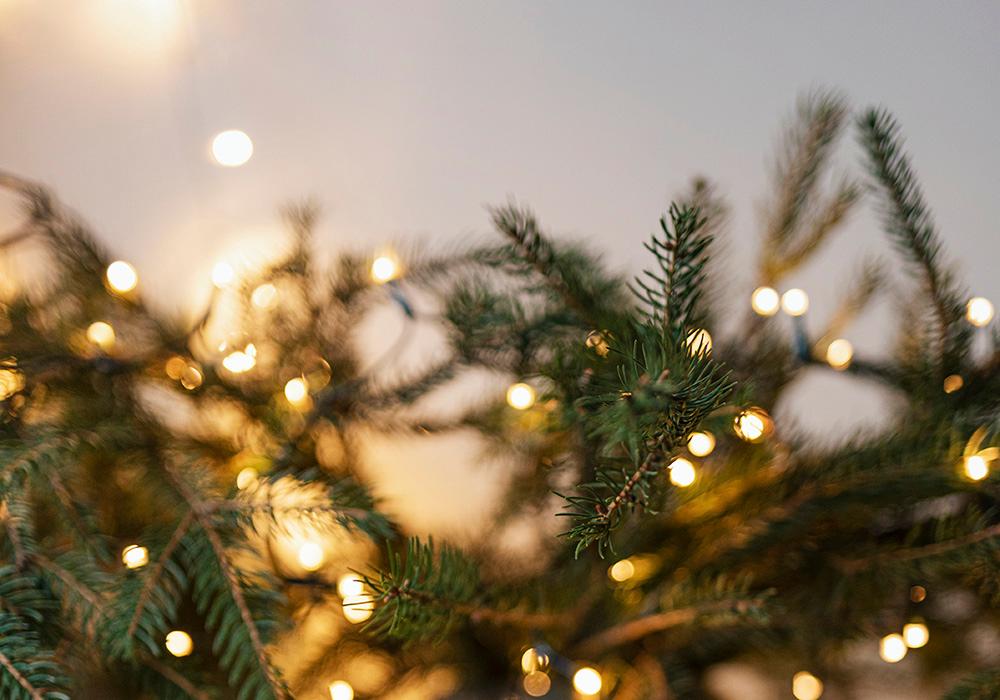
Buy a fresh tree, water it every day, keep it at least 3 feet from any heat source and turn the lights off when you leave or go to bed. A dry tree burns very hot and very fast, which is why tree fires, though rare, are so dangerous.
• Pick a fresh tree. The needles should be green and should not fall off when you touch them.
• Cut and water it. Cut about 2 inches off the base of the trunk before it goes in the stand, then check the water level every day. Furnace heat dries a tree out quickly.
• Give it 3 feet of space. Keep it away from fireplaces, radiators, space heaters, candles and heat vents, and do not let it block a doorway.
• Check the lights. Electrical or lighting equipment was involved in 40% of home Christmas tree fires, and lamps or bulbs started 24%. Use lights listed by a testing lab, throw out strands with frayed wires or broken sockets, and follow the maker's limit on how many strands to connect.
• Lights off at night. Turn tree lights off before you go to bed or leave the house.
• Get rid of it on time. Once the tree drops needles or feels brittle, take it out. Do not leave a dried-out tree in the house, in the garage or propped against the outside wall.
Artificial trees
If you use an artificial tree, choose one labeled as fire resistant. It is still not fireproof, so the same rules on lights and heat sources apply.
Candle safety: what actually prevents candle fires?
Keep candles at least 12 inches from anything that can burn, put them in sturdy holders and blow them out before you leave the room or go to sleep. Candle fires peak in December and January, when decorations, wrapping paper and greenery are close by.
• Use sturdy metal, glass or ceramic holders on a flat surface, out of reach of kids and pets.
• Never leave a lit candle in an empty room.
• Keep candles well away from the tree, curtains, bedding and paper decorations.
• Never use candles in a home where someone uses medical oxygen.
• Consider battery-powered flameless candles, which the U.S. Fire Administration recommends as a safer option.
How do you use a space heater safely?
Keep a space heater at least 3 feet from anything that can burn, plug it straight into a wall outlet and turn it off when you leave the room or go to bed. Space heaters and heating stoves cause just under half of home heating fires but nearly three-quarters of the deaths.
• Buy a safe model. Choose a heater listed by a recognized testing lab, with a thermostat and an automatic shut-off if it tips over.
• Give it 3 feet. Keep bedding, curtains, sofas, clothing and people at least 3 feet away, and keep a 3-foot "kid-free zone" around it.
• Wall outlet only. Do not run a space heater through an extension cord or power strip.
• Hard, level floor. Set it on a flat surface where it will not get knocked over, and out of walkways.
• Off when you leave or sleep. Never run it overnight next to a bed.
• Never heat the house with the oven, and never bring a patio or camping heater indoors.
Fireplaces and wood stoves
Have your chimney inspected and cleaned every year, keep a screen in front of the fire, and put cooled ashes in a covered metal container at least 10 feet from the house. Along the Wasatch Front, check whether it is a no-burn day before you light anything.
• Annual check. A professional should inspect and clean the chimney or wood stove each year, before the first fire.
• Use a screen. A glass or metal screen stops sparks and embers jumping out. Keep wood stove doors shut unless you are loading the fire.
• Keep 3 feet clear. Stockings, garlands and furniture stay well back from the hearth.
• Burn only dry firewood. Do not burn wrapping paper, trash, cardboard or Christmas tree branches, which flare up fast.
• Put it out before bed. Never leave a fire burning when you go to sleep or leave the house.
• Handle ashes carefully. Let them cool, put them in a metal container with a lid, and store it outside at least 10 feet from the house. Ashes can stay hot long after the fire looks out.
Utah no-burn days
During winter inversions, the Utah Division of Air Quality issues mandatory no-burn days, usually between November 1 and March 1. On those days, wood, pellet and coal stoves and fireplaces are not allowed in the counties the rule covers: Box Elder, Cache, Davis, Salt Lake, Tooele, Utah and Weber. Gas and propane fireplaces are fine.
Salt Lake County goes further and restricts wood burning on voluntary action days as well. Fines start at $150. Check the daily forecast at air.utah.gov or on the UtahAir app before you light a fire.
Where should smoke alarms go?
Put a smoke alarm inside every bedroom, outside each sleeping area and on every level of the home, including the basement. Test each one monthly and replace it 10 years from the date it was made.
• Bedrooms and hallways. One inside each bedroom and one in the hallway or area outside them. In Utah homes with basement bedrooms, that means alarms in each basement bedroom and the basement hallway too.
• Every level. Include the basement and any finished attic space.
• High up. Mount alarms on the ceiling or high on a wall, following the maker's instructions.
• Away from the stove. Keep alarms at least 10 feet from cooking appliances to cut down on false alarms.
• Connect them. Interconnected alarms all sound when one does, so a fire in the basement wakes people upstairs.
• Test and replace. Test monthly. Replace 9-volt batteries at least once a year, and replace the whole alarm 10 years from its manufacture date.
The U.S. Fire Administration warns that once an alarm sounds, you may have less than 2 minutes to get everyone out. Agree on a meeting spot outside and practice the plan with your family.
If a small fire happens: the next 24 hours
Get everyone out and call 911, even if the fire seems to be out. Once firefighters say the house is safe, call your insurer and a fire restoration company before you start cleaning. Smoke and soot spread into rooms the flames never touched, and the wrong cleaning method can smear soot deeper into surfaces.
1. Get out and call 911. Do not go back in. Fires can rekindle from hidden embers.
2. Wait for the all-clear. Ask the fire department whether the power, gas and water are safe to use. Do not switch utilities back on yourself.
3. Call your insurer. Report the fire, take photos and video of all damage before anything is moved, and keep every receipt.
4. Secure the home. Broken windows, doors or roof openings need boarding up to keep out weather and intruders.
5. Keep the furnace fan off. Running the HVAC system can pull soot through the ducts into every room.
6. Do not wipe soot. Wiping with a wet cloth often smears it. Leave surface cleaning to a crew with the right sponges and cleaners.
7. Throw out exposed food and medicine. The USDA advises discarding food exposed to smoke fumes, even food stored in the fridge, because the seal is not airtight.
8. Call a fire restoration company. Our fire and smoke damage restoration team boards up the property within the first hour, removes soot and smoke residue, treats odor at the source and rebuilds what was damaged.
We respond 24/7 across the Wasatch Front, including disaster restoration in Salt Lake City.
Fire or smoke damage right now? Call All Pro Services at 801-505-9800. We answer 24/7.
Fire or smoke damage? Call All Pro Services 24/7
If a fire has damaged your home, even a small one, call us at 801-505-9800. Our IICRC-certified crews answer 24 hours a day, 365 days a year, across Salt Lake, Utah, Davis, Weber, Summit, Wasatch and Tooele counties.
We board up the property, remove soot and smoke residue, treat the odor and rebuild, and we document everything for your insurance adjuster. All Pro Services is a licensed general contractor and has been family-owned since 1987.
Call 801-505-9800 or request a free quote online at allproutah.com.