Ice Dams on Utah Roofs: Why They Form and How to Stop the Leaks
Why ice dams form on Utah roofs, and how to stop the leaks they cause for good.
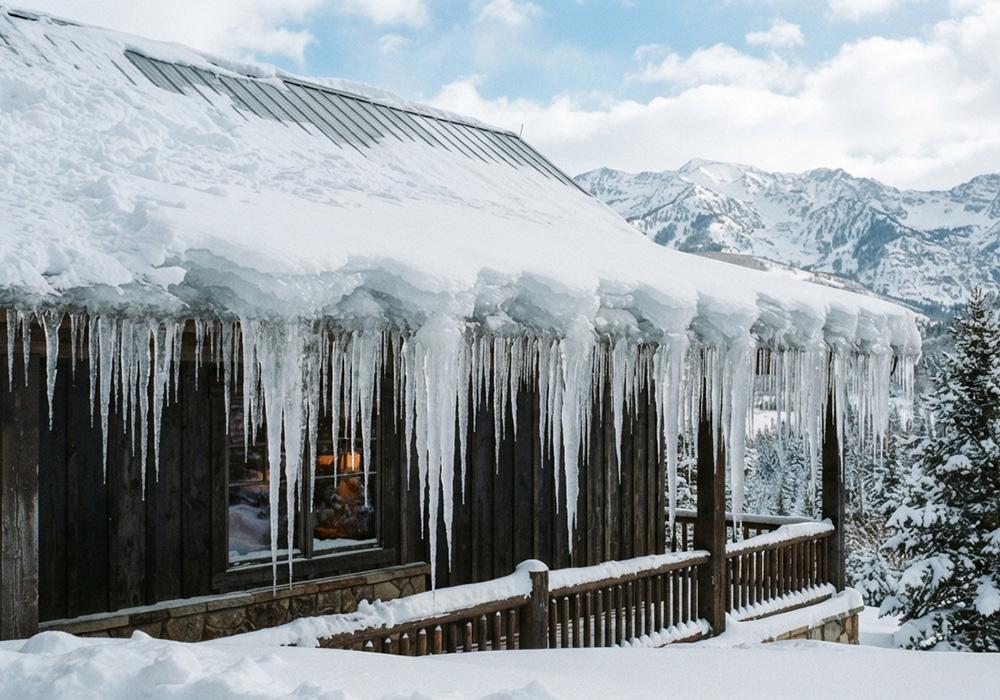
An ice dam is a ridge of ice that forms along the edge of a roof. Heat escaping from the house melts snow higher up the roof, and the water refreezes when it reaches the cold eaves. Meltwater then pools behind the ice and can leak under the shingles into the attic, walls and ceilings. The lasting fix is keeping heat off the roof.
What is an ice dam?
An ice dam is a band of ice at the roof edge that traps melting snow behind it. It needs three things: snow on the roof, a roof surface warmer than 32°F higher up, and cold eaves below freezing.
The Insurance Institute for Business & Home Safety (IBHS) explains the cycle. Warm air from the house rises into the attic and heats the roof deck. Snow melts from underneath and runs down toward the edge, where the roof overhangs open air and stays colder. Some of the water refreezes. Day after day, the ice layer grows into a dam, and the water pooling behind it gets pushed under the shingles.
Shingles are built to shed water running downhill, not to hold back standing water. That is why an ice dam can leak through a roof that is otherwise in good shape.
Why do Utah roofs get ice dams?
Utah has the two ingredients ice dams need: steady snow and days that swing above and below freezing. Along the Wasatch Front, sunny winter afternoons often climb above freezing and nights drop well below it. In Salt Lake City, normal January highs reach about 39°F and lows fall to about 24°F.
The mountains make it worse. A Salt Lake roofing consultant told the Park Record that Park City sees more daily freeze-thaw cycles than many places in the world. Deep snow sits on roofs for weeks, and a local restoration manager noted that many Park City homes have complex roofs with sharp angles and shaded valleys, which are more prone to ice dams.
Age plays a part too. Older homes often have thin attic insulation and gaps around light fixtures, attic hatches and pipes that let warm air into the attic.
Signs you have an ice dam
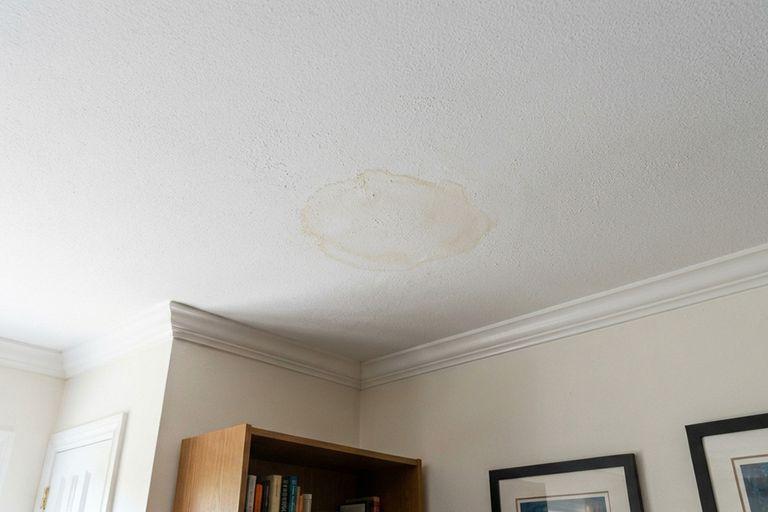
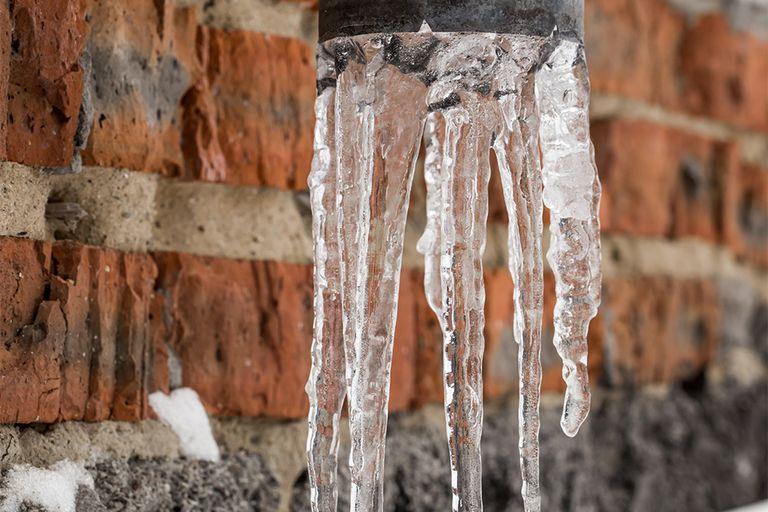
The clearest sign is a thick ridge of ice along the eaves, often with large icicles hanging from the gutters. Inside, look for water stains on ceilings or walls near outside walls.
• A ridge of ice along the roof edge or packed into the gutters
• Large icicles, especially ones with water dripping behind them
• Snow melted off the upper roof while the edge stays iced up
• Water stains, bubbling paint or damp drywall on ceilings near outside walls
• Water running down inside a window frame or behind siding
• Wet or frosty insulation near the eaves in the attic
If you see a stain on the ceiling, our guide to [what a water stain on the ceiling means] (link to /blog/water-stain-on-ceiling once live) helps you tell an ice dam leak from a plumbing leak.
How to remove an ice dam safely
Rake the snow off the lower few feet of the roof from the ground, then melt drainage channels through the ice with calcium chloride. Do not chip at the ice or climb onto an icy roof. For a thick dam or an active leak, hire a professional.
1. Rake from the ground. After each storm, use a roof rake to pull snow off the lowest 3 to 4 feet of the roof. IBHS recommends a rake with wheels, which keep the blade off the shingles. Pull the snow toward you and stay well clear of power lines.
2. Melt channels with calcium chloride. Fill the leg of an old pair of pantyhose or a long sock with calcium chloride ice melt, tie it off, and lay it across the dam so it hangs over the edge. It melts a channel the trapped water can drain through.
3. Do not use rock salt. Rock salt (sodium chloride) can corrode gutters, flashing and nails and kill the plants below. Check the label says calcium chloride.
4. Do not chip, hammer or pressure wash. Axes, hammers, shovels and pressure washers gouge shingles and can tear off gutters, and working on an icy roof is how people get hurt.
5. Clear gutters and downspouts of ice and debris where you can do it safely from the ground, so meltwater has somewhere to go.
6. Call a professional for big dams. Ice dam removal crews use low-pressure steam that melts the ice without damaging the roof. Use a licensed, insured contractor.
Keep people, pets and cars away from the eaves while ice and snow are coming down. Falling ice and roof snow slides can cause serious injuries.
How to stop ice dams for good
Keep the roof deck cold. That means sealing the gaps that let warm air into the attic, adding insulation and making sure the attic is ventilated from the eaves to the ridge. Heat cables help in problem spots but do not fix the cause.
Air sealing. Air sealing stops warm, moist house air from leaking into the attic. Seal around attic hatches, recessed lights, bath fans, plumbing vents and wiring holes. Do this before adding insulation, and use fire-rated materials around chimneys and flues.
Attic insulation. Insulation slows heat moving from the living space up to the roof. For northern Utah's climate zones, ENERGY STAR recommends about R-60 in an uninsulated attic, or adding R-49 where there are already 3 to 4 inches.
Ventilation. Good ventilation moves cold outside air under the roof deck so it stays close to the outdoor temperature. Pair soffit vents at the eaves with ridge or roof vents at the top, and keep insulation from blocking the soffit vents.
Heat cables. Heat cables melt channels so water can drain through the ice. IBHS advises professionally installed cables that are UL Listed, FM Approved or CSA Certified. Keep in mind that heat cables treat the symptom, not the heat loss behind it.
Ice and water shield. This rubber membrane goes under the shingles at the eaves and is installed when the roof is replaced. It seals around nails, so water backed up by an ice dam is less likely to get through.
In Park City, Heber and other mountain towns, heated roof edges and "cold roof" designs, which add a vented air space above the insulation, are common answers on new builds and remodels. For an existing home, an energy audit or a thermal camera check of the attic will show where heat is escaping.
Water already coming through the ceiling? Call All Pro Services at 801-505-9800. We answer 24/7.
Water is coming in from an ice dam: what to do
Catch the water, protect your belongings, take photos and get the wet materials dried within 24 to 48 hours, the window the EPA gives for preventing mold. Ice dam leaks often soak attic insulation and the top of the wall before anything shows on the ceiling.
1. Catch the drips. Put buckets and towels under the leak and move furniture, rugs and electronics out of the way.
2. Stay out from under a bulging ceiling. A ceiling that sags or bubbles with water can give way. If water is near light fixtures or outlets, turn off power to that area at the breaker if you can reach it safely.
3. Take photos and video of the ice on the roof, the stains and the water inside before you clean up.
4. Take weight off the roof edge. If you can do it safely from the ground, rake snow off the lower roof so less meltwater feeds the dam.
5. Call a restoration company. Wet insulation and drywall need moisture readings and commercial drying to stop mold. Our water damage restoration crews extract the water, dry the structure and repair the ceiling. If the roof itself is damaged, our storm and disaster cleanup team handles emergency tarping, usually the same day.
6. Call your insurer and report the damage.
Speed matters here. Our post on how fast water damage remediation should begin explains why the first day counts.
We cover mountain homes as well as the valley, including water damage restoration in Park City and Heber City, where deep snow and long cold spells make ice dams common.
Does homeowners insurance cover ice dam damage?
Usually, the interior water damage is covered and the ice itself is not. Standard homeowners policies typically pay for ceilings, walls, insulation and belongings damaged by water backing up from an ice dam. Removing the ice, and upgrading insulation or ventilation to prevent the next one, are usually treated as maintenance.
The Insurance Information Institute has said that freezing damage such as ice dams is covered, with a general requirement that the homeowner took reasonable steps to prevent it, such as keeping the house heated and maintaining gutters and drains. A State Farm agent told KSL after a Park City ceiling collapse that ice dams are typically covered when there is interior water damage.
Document the damage, report it quickly and keep receipts for emergency work such as tarping or water removal. Our guide to filing water damage insurance claims walks through the steps, and All Pro Services works directly with your adjuster.
This section is general information, not insurance advice. Your policy wording decides what is covered, so check yours with your agent.
Ice dam leak? Call All Pro Services 24/7
If an ice dam is leaking into your home, call us at 801-505-9800. Our IICRC-certified crews answer 24 hours a day, 365 days a year, across Salt Lake, Utah, Davis, Weber, Summit, Wasatch and Tooele counties.
We tarp damaged roofs, remove the water, dry the attic and ceilings, and repair the damage, and we work directly with your insurance company. All Pro Services is a licensed general contractor and has been family-owned since 1987.
Call 801-505-9800 or request a free quote online at allproutah.com.
Related reading: Frozen Pipes in Utah: How to Prevent, Thaw and Handle a Burst